
Remote work has changed how people choose where to live, with more professionals looking beyond their home cities for a place to work and settle. But finding the right base in Europe involves more than choosing a destination with good weather and affordable rent. Visa requirements, the cost of living, safety, air quality and reliable internet all influence how practical a city is for long-term remote work. With so many factors to weigh up, which European cities offer the strongest overall package for remote workers in 2026?
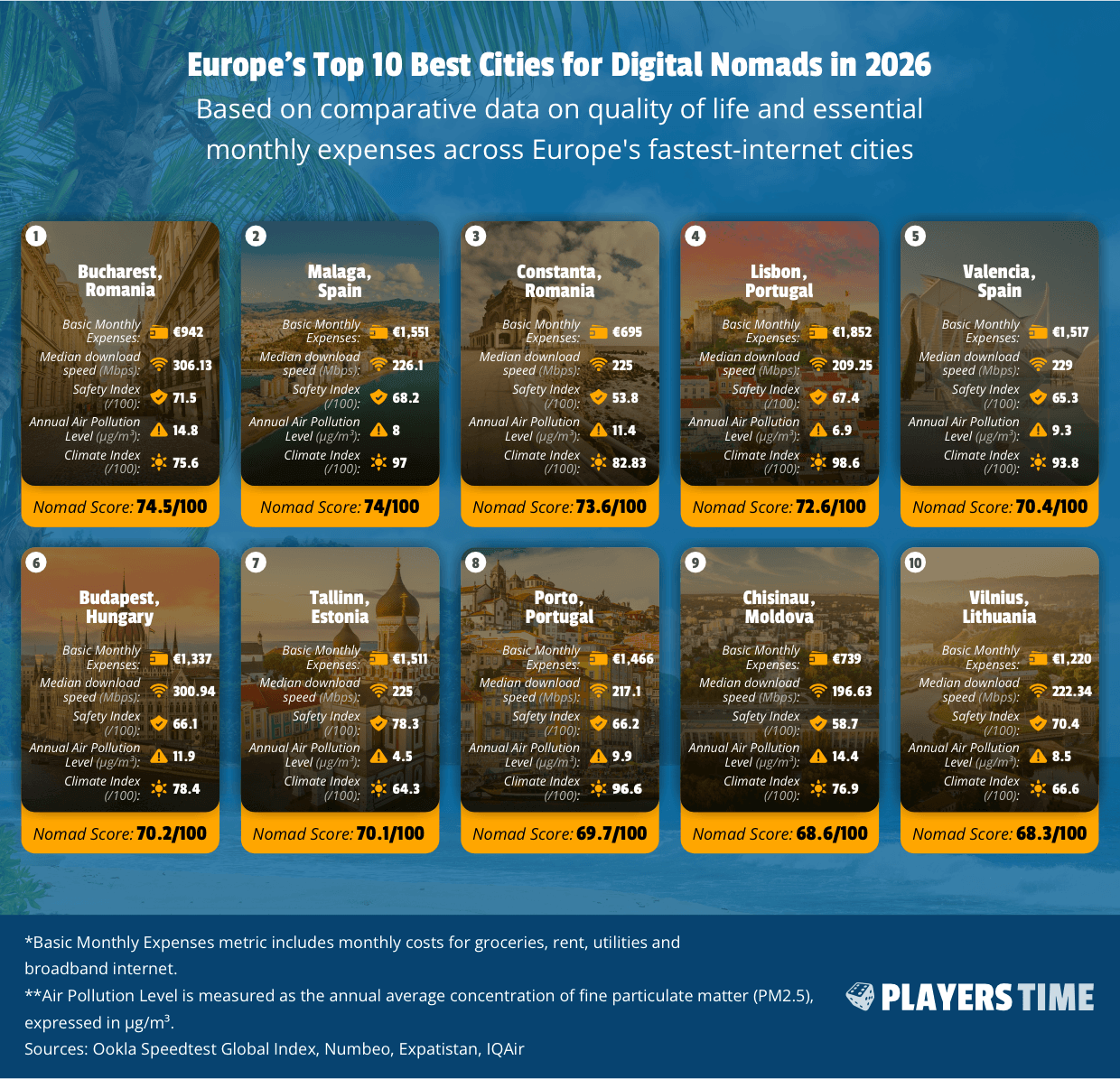
In a world where viral TikTok city guides make every European town look like a paradise, finding a place to live, work, and actually thrive means looking past the aesthetic filters. To find out which destinations are truly worth your time and money this year, the team at PlayersTime first selected cities with the fastest fixed broadband speeds, then compared their monthly living costs, safety and climate index, and air pollution. Each city received a Nomad Score based on its performance across these metrics, revealing which destinations offer the strongest overall conditions for working and living remotely.
Key insights:
- Bucharest ranks as Europe’s best city for digital nomads in 2026, with monthly expenses under €950, combined with fast fixed broadband speeds of 306.13 Mbps, high safety index and a favourable climate.
- Six of Europe’s top 10 cities for digital nomads span just three countries: Romania (Bucharest and Constanța), Spain (Málaga and Valencia) and Portugal (Lisbon and Porto).
- Southeastern Europe stands out as a strong region for digital nomads, with Bucharest, Constanța, Chișinău, Skopje, and Sofia all ranking among the top 10 for their affordability, connectivity and quality of life.
Europe’s Top 10 Best Cities for Digital Nomads in 2026
Digital Nomad City 2026
Bucharest
74.5
/100
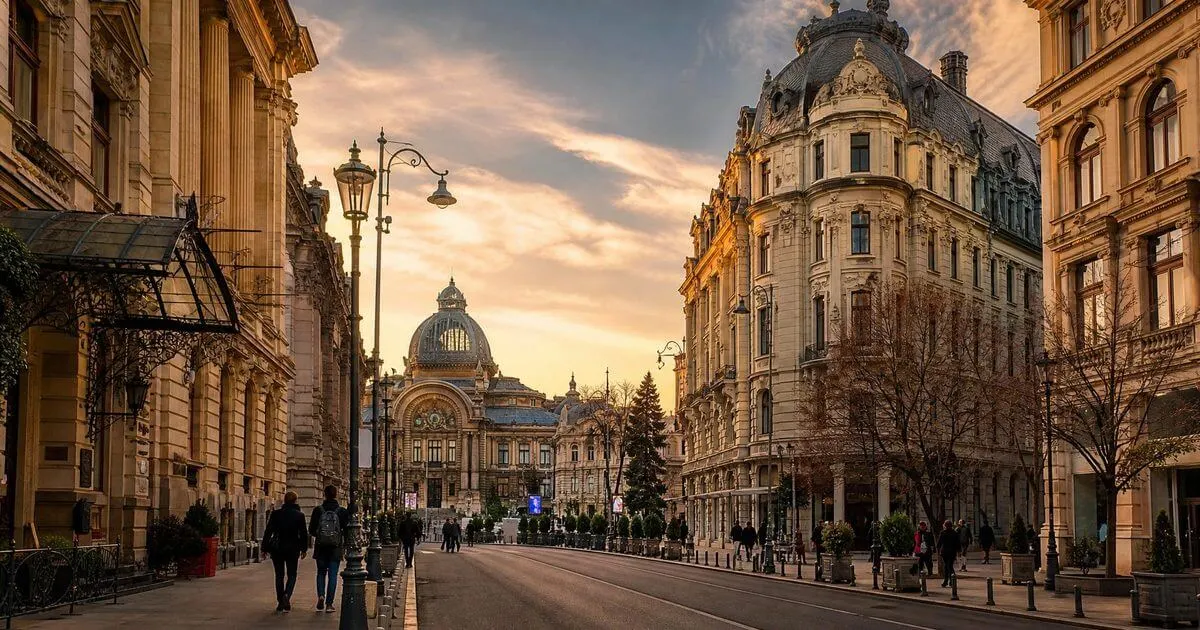
Bucharest takes the crown as Europe’s best city for digital nomads in 2026, scoring 74.5 out of 100 without demanding a very high income. Basic monthly expenses, including rent, utilities, food, public transport, and broadband internet, come to just €942.
One of the biggest flexes of the Romanian capital is its internet speed. At 306.13 Mbps, it has the fastest connection among our top ten, making large uploads, video calls, and remote projects easy to manage. A Safety Index of 71.5/100 adds to its appeal, although its annual fine-particle pollution level of 14.8 µg/m³ leaves room for improvement. Bucharest may not have the Mediterranean climate, but its combination of high-quality internet, safety, and affordability makes it hard to beat.
Beyond the numbers: Romania’s Digital Nomad Visa allows non-EU citizens (including UK, US, and Canadian passport holders) to live and work there legally for up to a year. The financial payoff is huge: if you stay under 183 days a year, your foreign income is completely tax-free. Even if you stay longer and trigger tax residency, you plug into a flat 10% income tax rate, one of the most generous fiscal regimes in the European Union.

Digital Nomad City 2026
Malaga
74
/100
Malaga takes second place in our ranking with a Nomad Score of 74/100. Its basic monthly expenses sit at €1,551, higher than Bucharest’s, but the Spanish city makes up for the extra cost with excellent weather and air quality. The city scores an impressive 97/100 on the Climate Index, while it is also one of the least polluted cities in our study.
Malaga also ticks the boxes when it comes to working remotely, with fixed broadband speeds averaging 226.1 Mbps, more than enough for video calls, streaming, and everyday online work. A Safety Index of 68.2/100 adds to its appeal for those looking to settle into a new city.
Spain offers a Digital Nomad Visa, granting remote workers a residence permit of up to three years, with a minimum monthly income requirement of €2,849 in 2026. Eligible newcomers may also benefit from Spain’s Beckham Law, a special tax regime that allows qualifying workers to pay a flat 24% tax rate on annual employment income up to €600,000, potentially less than the standard income tax rates faced by higher earners. The regime can also offer tax advantages on certain foreign income, adding to Malaga’s appeal for remote workers.
Digital Nomad City 2026
Constanta
73.6
/100
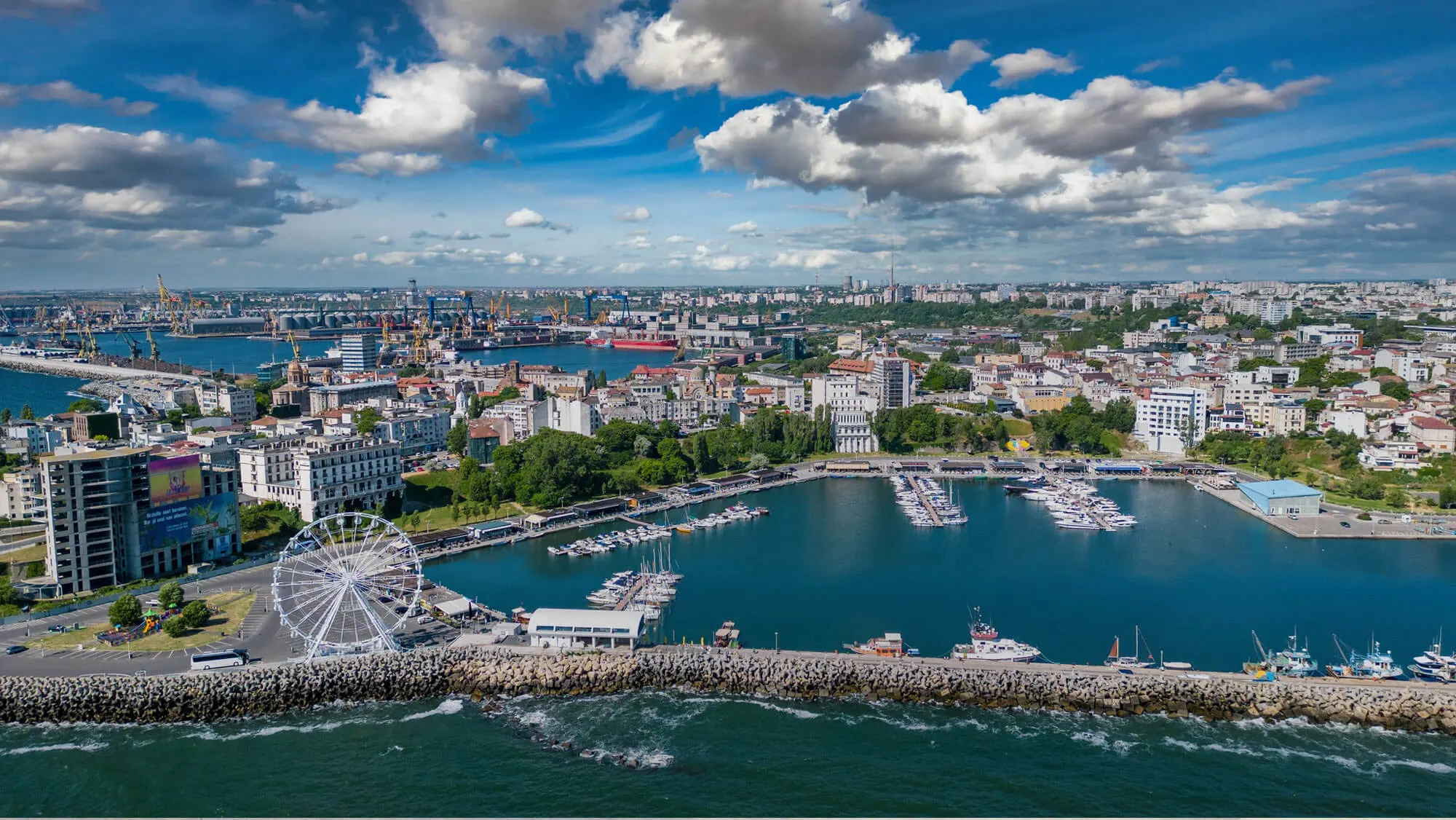
Who says living by the sea coast has to cost a fortune? Constanta ranks third with a score of 73.6/100 and its basic monthly expenses total just €695, the lowest in our top ten. That leaves digital nomads with considerably more money for travel, dining out, and enjoying the Black Sea coast.
Constanta offers plenty of perks beyond its low prices, from 225 Mbps download speeds for smooth video calls and streaming to a Climate Index of 82.83/100, making it a great fit for those who love mild coastal weather. Its annual PM2.5 level of 11.4 µg/m³ also points to relatively low fine-particle pollution. Safety is one area where the city has room to improve, however, scoring just 53.8/100 on the Safety Index – a weaker result that raises questions about how much affordability and lifestyle advantages can compensate for concerns about personal security.
Like Bucharest, Constanta offers access to Romania’s renewable 12-month Digital Nomad Visa and the country’s 10% flat personal income tax rate. Add sandy beaches and a slower pace of life, and this Black Sea city makes a compelling case for remote workers looking to get more out of their budget.
Digital Nomad City 2026
Lisbon
72.6
/100
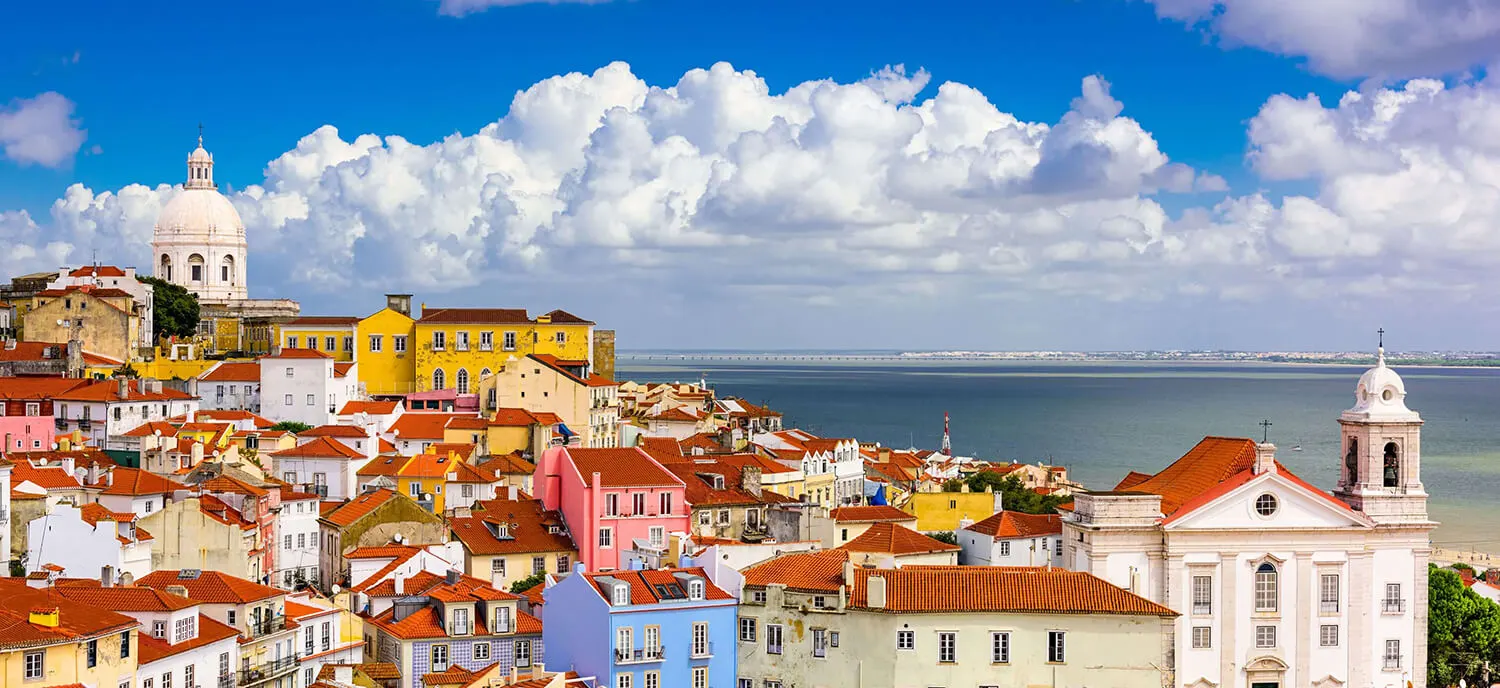
Long-time digital nomad favourite Lisbon lands in fourth place with a Nomad Score of 72.6/100, but its sun-soaked lifestyle comes with a growing catch: the cost of finding a place to live. Portugal’s capital has become one of Europe’s most expensive housing markets relative to local incomes, with rising rents putting pressure on residents and newcomers alike. Basic monthly expenses average €1,852 in our ranking, making Lisbon the most expensive city in our top ten.
Still, it is easy to see why nomads keep coming. Lisbon scores 98.6/100 on the Climate Index, reflecting its favourable weather, while an annual PM2.5 level of just 6.9 µg/m³ points to relatively low fine-particle pollution. Fixed broadband speeds of 209.25 Mbps make remote work and video calls easy, and a Safety Index of 67.4/100 adds to its appeal.
The city offers a well-established international community, a lively startup scene, and a route to residency for eligible non-EU remote workers through Portugal’s D8 Digital Nomad Visa. With a monthly income requirement of around €3,280 for 2026, however, aspiring Lisbon nomads need to weigh the lifestyle perks against the cost of making the move.
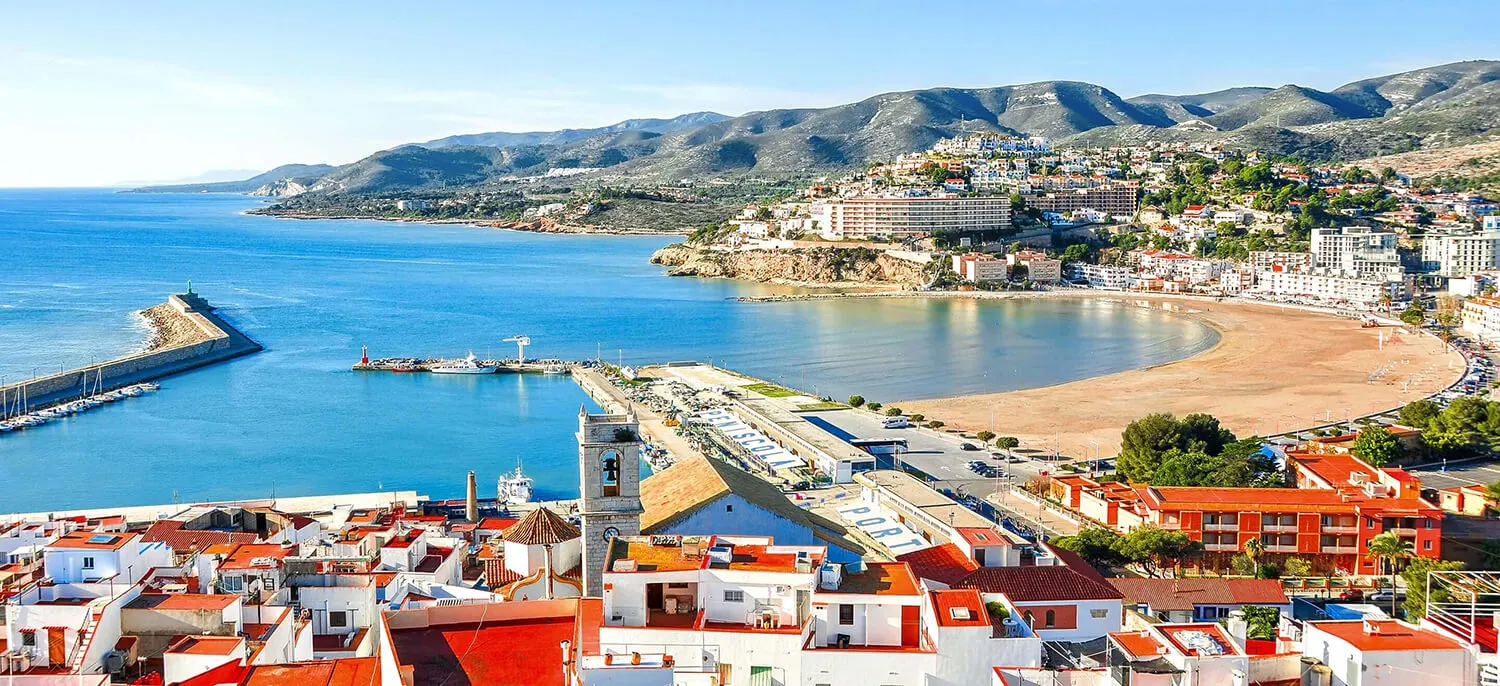
Digital Nomad City 2026
Valencia
70.4
/100
Valencia offers a convincing middle ground for nomads who want the Spanish lifestyle without Lisbon-level expenses. It ranks fifth with a score of 70.4/100, and the basic monthly costs of €1,517 make it significantly cheaper than the Portuguese capital.
The city is just as appealing when the laptop opens. Fixed broadband speeds reach 229 Mbps, which is relatively good for video calls and file sharing, while a Climate Index of 93.8/100 reflects Valencia’s warm, sunny weather. Air quality is another plus: its annual PM2.5 level of 9.3 µg/m³ indicates relatively low fine-particle pollution. A Safety Index of 65.3/100 rounds out the picture, although it leaves some room for improvement.
With urban beaches, a walkable old town and Spain’s Digital Nomad Visa available to eligible applicants, Valencia offers a compelling mix of work and downtime, without Lisbon-level monthly cost.
Spain offers a Digital Nomad Visa, granting remote workers a residence permit of up to three years, with a minimum monthly income requirement of €2,849 in 2026. Eligible newcomers may also benefit from Spain’s Beckham Law, a special tax regime that allows qualifying workers to pay a flat 24% tax rate on annual employment income up to €600,000, potentially less than the standard income tax rates faced by higher earners. The regime can also offer tax advantages on certain foreign income.
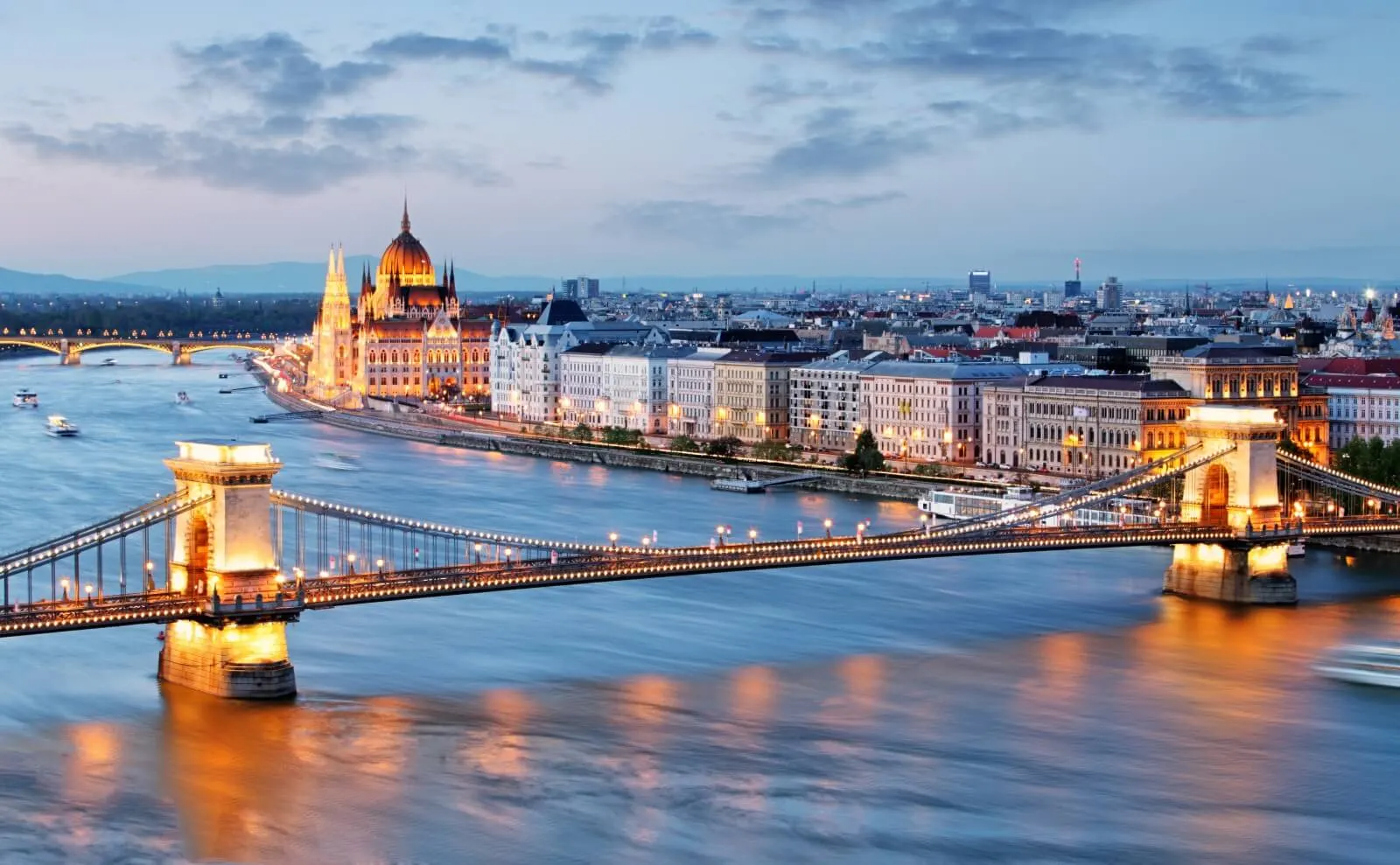
Digital Nomad City 2026
Budapest
70.2
/100
Budapest has been drawing more visitors year after year, and its appeal goes beyond a weekend city break. Tourist arrivals at local accommodation establishments climbed to 7.69 million in 2025, up around 43% from 2023. For digital nomads, the Hungarian capital offers another reason to stay longer: a Nomad Score of 70.2/100, with monthly basic expenses averaging €1,337.
Budapest’s standout feature is its internet speed. With fixed broadband downloads averaging 300.94 Mbps, it ranks second among our top ten cities, a real advantage for remote workers who rely on video calls, cloud tools, and large file transfers. The city also scores 66.1/100 on the Safety Index, while its Climate Index of 78.4/100 reflects generally favourable weather conditions. An annual PM2.5 level of 11.9 µg/m³ suggests moderate fine-particle pollution, so air quality is one area where the city has less of an edge.
Non-EU remote workers can also apply for Hungary’s White Card, a residence permit for those working remotely for foreign employers or businesses, provided they meet the €3,000 net monthly income requirement. The permit lasts up to one year, with the option to renew for another year.
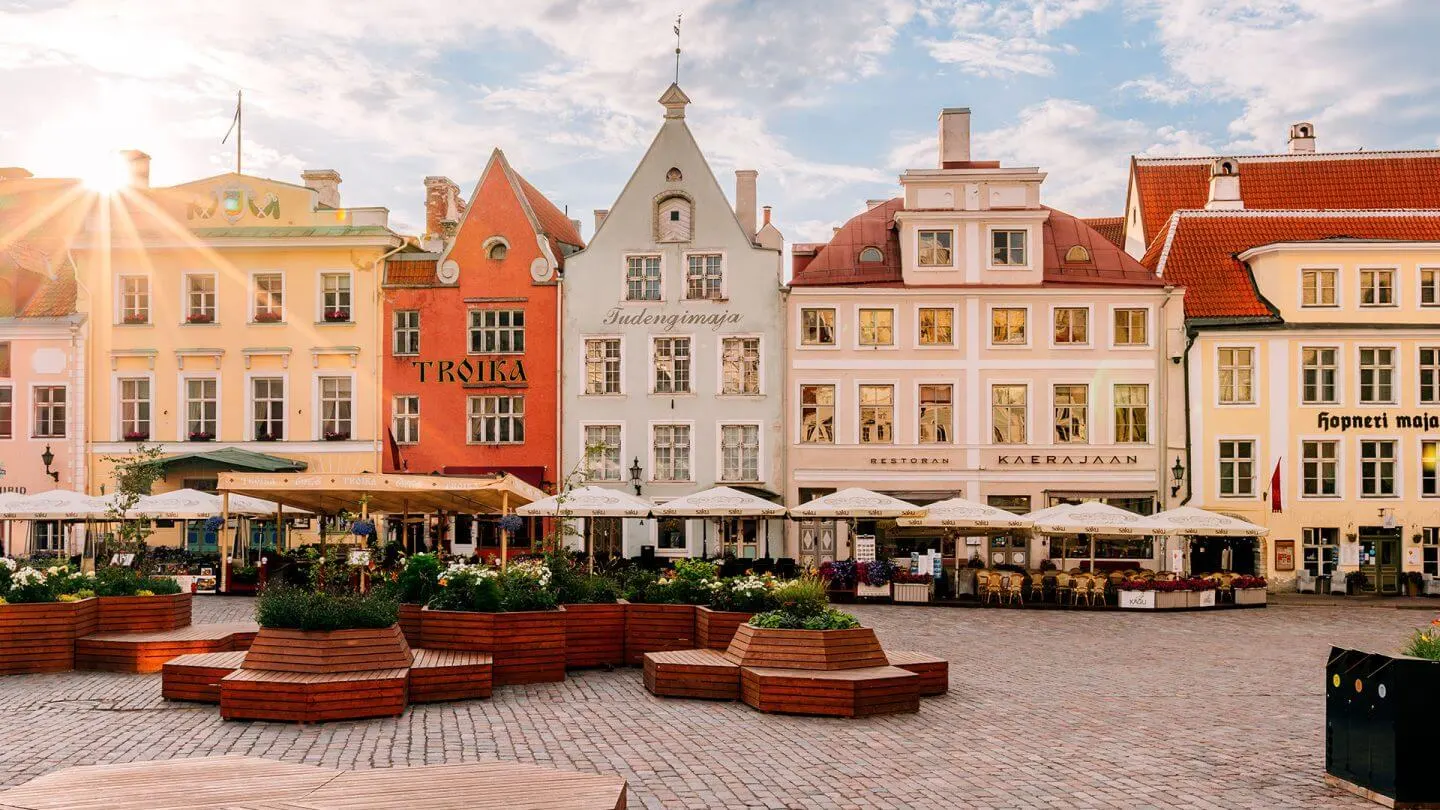
Digital Nomad City 2026
Tallinn
70.1
/100
Tallinn ranks seventh with a Nomad Score of 70.1/100, bringing Estonia’s tech-savvy reputation to the digital nomad lifestyle. The catch? Cost of living. Basic monthly expenses average €1,511, making the Estonian capital one of the more expensive options in our top ten ranking.
Where Tallinn really shines is everyday quality of life. Its Safety Index of 78.3/100 is the highest in our top ten, while an annual air pollution level of just 4.5 µg/m³ indicates the lowest fine-particle pollution among the cities we looked at. Fixed broadband speeds of 225 Mbps keep remote work running smoothly, too. The trade-off? A Climate Index of 64.3/100 reflects less favourable weather than sunnier southern European destinations, especially for those chasing year-round warmth.
Estonia’s Digital Nomad Visa lets eligible remote workers live in the country, provided they meet the €4,500 monthly gross income requirement. For those who value clean air, safety, and hassle-free admin over cheap rent and endless sunshine, Tallinn makes a compelling case.
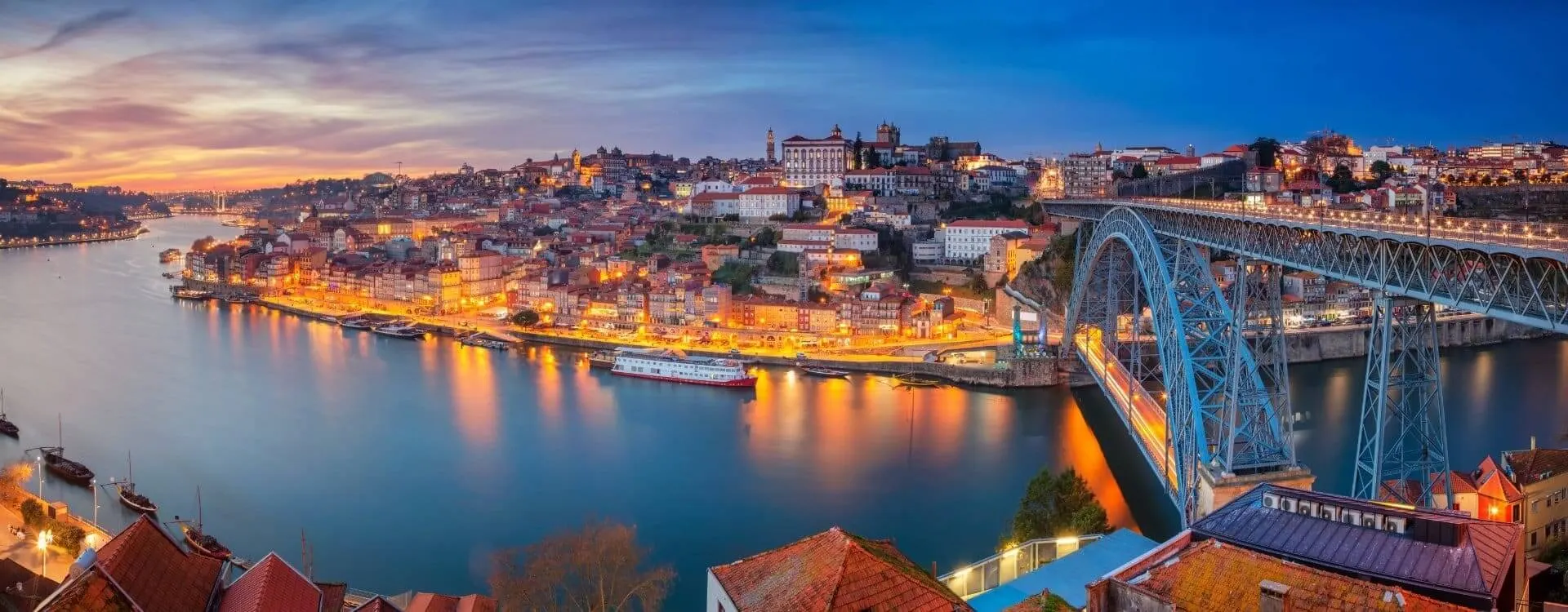
Digital Nomad City 2026
Porto
69.7
/100
Porto gives Lisbon a run for its money, without asking for nearly as much of yours. Eighth with a Nomad Score of 69.7/100, the Portuguese city has basic monthly expenses of of €1,466, making it over 20% cheaper than the country’s capital.
The savings don’t mean giving up the essentials. Fixed broadband speeds of 217.1 Mbps are more than capable of handling everyday remote work, while a Safety Index of 66.2/100 points to a reassuring level of personal safety. Porto also scores 96.6/100 on the Climate Index, reflecting its generally mild coastal climate, and records an annual air pollution level of 9.9 µg/m³, indicating relatively low fine-particle pollution.
As in Lisbon, eligible remote workers can apply for Portugal’s D8 Digital Nomad Visa, which offers a route to residency for those who meet the requirements. Add Porto’s riverside cafés, creative scene and walkable historic streets, and you get a city with plenty of character, without Lisbon’s monthly price tag.
Digital Nomad City 2026
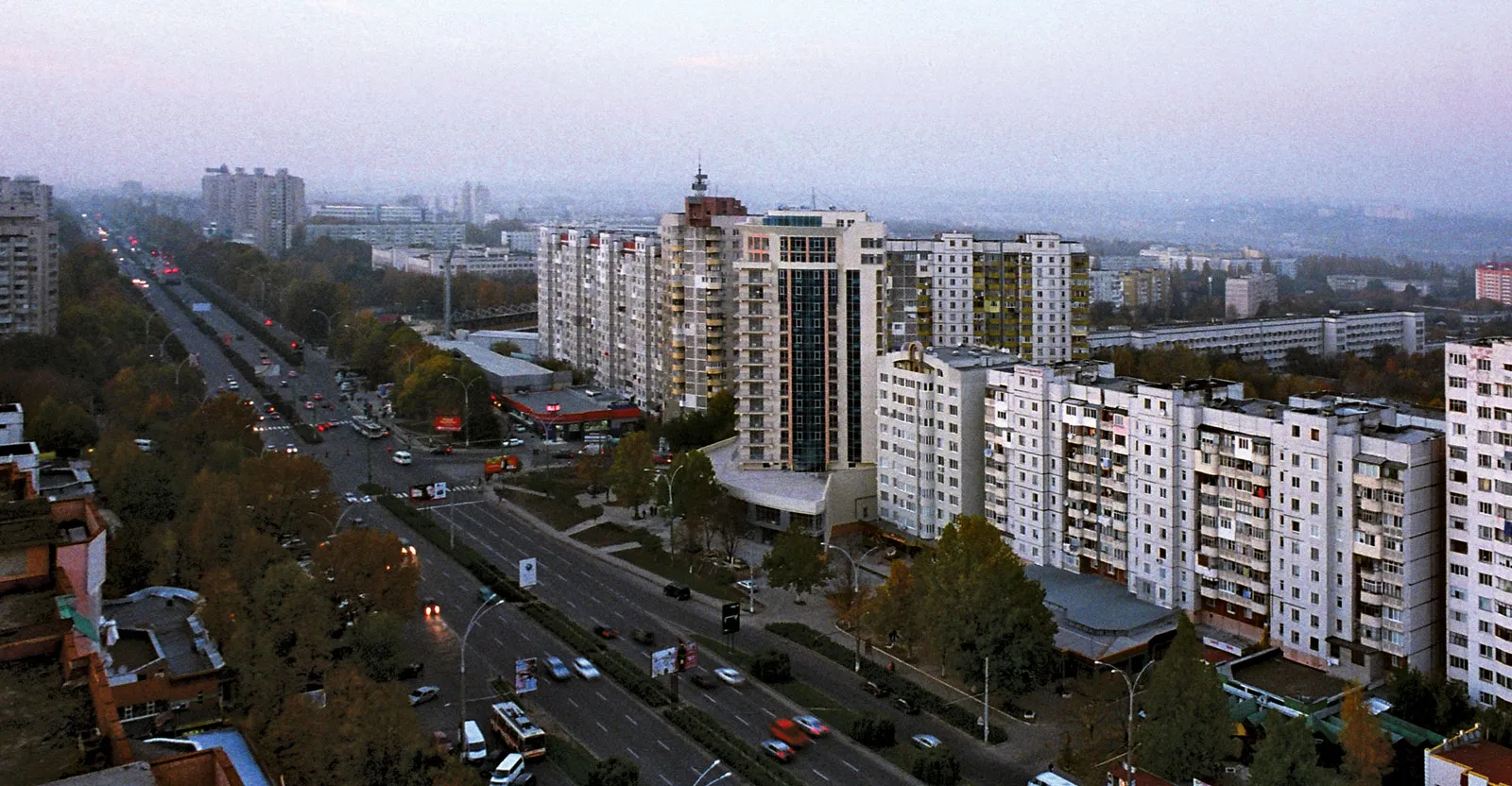
Chișinău
68.6
/100
Chișinău is the ranking’s reminder that a digital nomad base doesn’t have to come with a famous name or a hefty bill. The Moldovan capital ranks ninth with 68.6/100, and basic monthly expenses of €739 make it the second-cheapest city in our top ten, after Constanta.
The budget-friendly lifestyle comes with solid connectivity, too. Fixed broadband speeds of 196.63 Mbps are well suited to everyday remote work, while a Safety Index of 58.7/100 suggests a moderate level of personal safety. Chișinău scores 76.9/100 on the Climate Index, reflecting its four-season climate, although an annual PM2.5 level of 14.4 µg/m³ points to more fine-particle pollution than in many higher-ranked cities. For nomads seeking lower costs, fewer crowds and a change of pace, Moldova’s capital is worth a closer look.
Moldova introduced a digital nomad residence scheme in September 2025. Eligible foreign nationals working remotely for companies abroad can apply for temporary residence for up to two years.
Digital Nomad City 2026
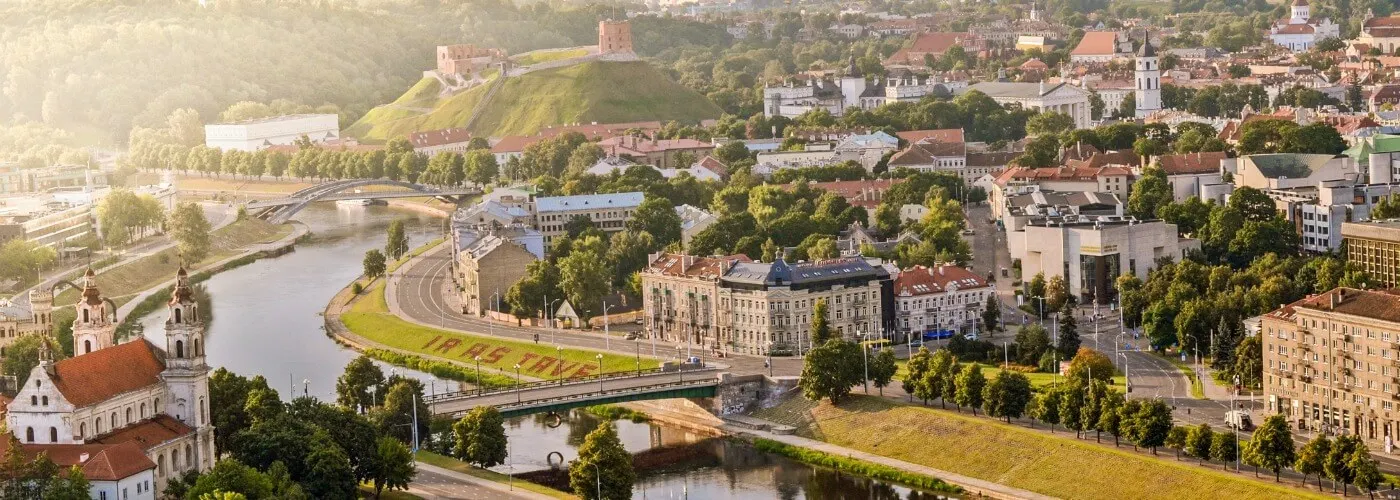
Vilnius
68.3
/100
Vilnius rounds out our top ten of the best cities for digital nomads in 2026, scoring 68.3/100. With basic monthly expenses averaging €1,220, Lithuania’s capital offers a more affordable base than many Western European cities.
Safety is a major plus, with an index of 70.4/100, while fixed broadband speeds of 222.34 Mbps keep remote work running smoothly. Air quality is another strong point: Vilnius records 8.5 µg/m³ of fine particulate matter, tiny airborne particles that can harm lung health, around 1.9 times the level of Tallinn, the cleanest-air city in our top ten. The trade-off is a cooler climate, reflected in its Climate Index of 66.6/100.
A walkable Baroque old town and a growing tech scene round out Vilnius’s appeal, making it a well-balanced choice for nomads who value culture, reliable infrastructure and a calmer pace of life.
Lithuania does not offer a dedicated digital nomad visa.
Where Digital Nomads Get More for Their Money, and Where They Don’t
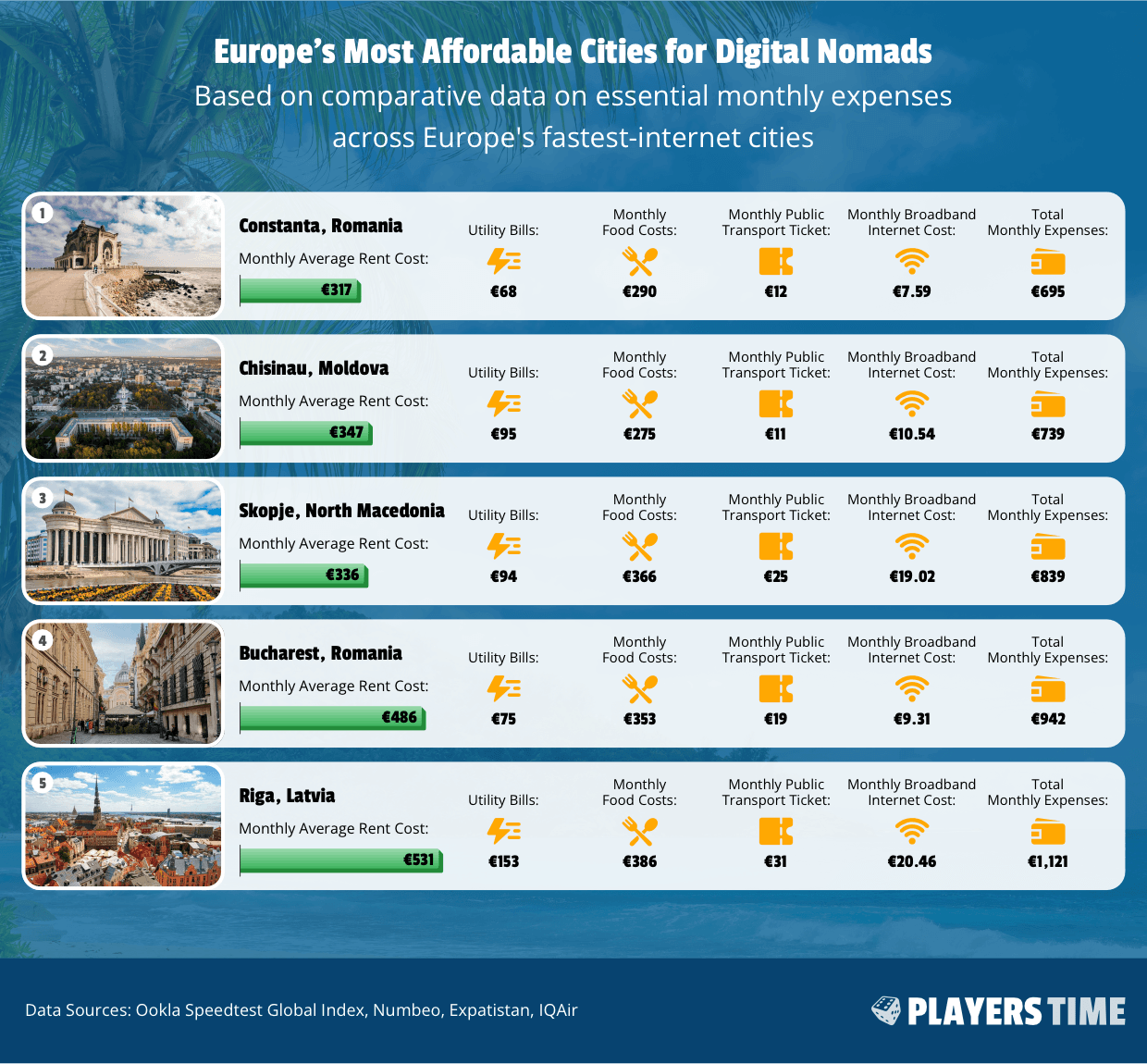
For digital nomads seeking a more affordable European base, four cities stand out with estimated basic monthly expenses below €1,000. Constanța, Romania, is the cheapest at just €695 a month, followed by Chișinău, Moldova, at €739, Skopje, North Macedonia, at €839 and Bucharest (€942/month). Rent is the main culprit for the difference between cities: a studio averages just €317 a month in Constanța and €336 in Skopje, compared with €531 in Riga. Utility bills range from €68 in Constanța to €153 in Riga. Food costs are lowest in Chișinău at €275 a month, closely followed by Constanta at €290. These estimates cover more than supermarket shopping: the food basket combines basic everyday groceries, including meat, dairy, fruit and vegetables, with just several restaurant lunches and fast-food meals monthly. Public transport is also inexpensive in these cities, with a monthly travel pass costing just €11 a month in Chișinău and €12 in Constanța, compared with €31 in Riga.
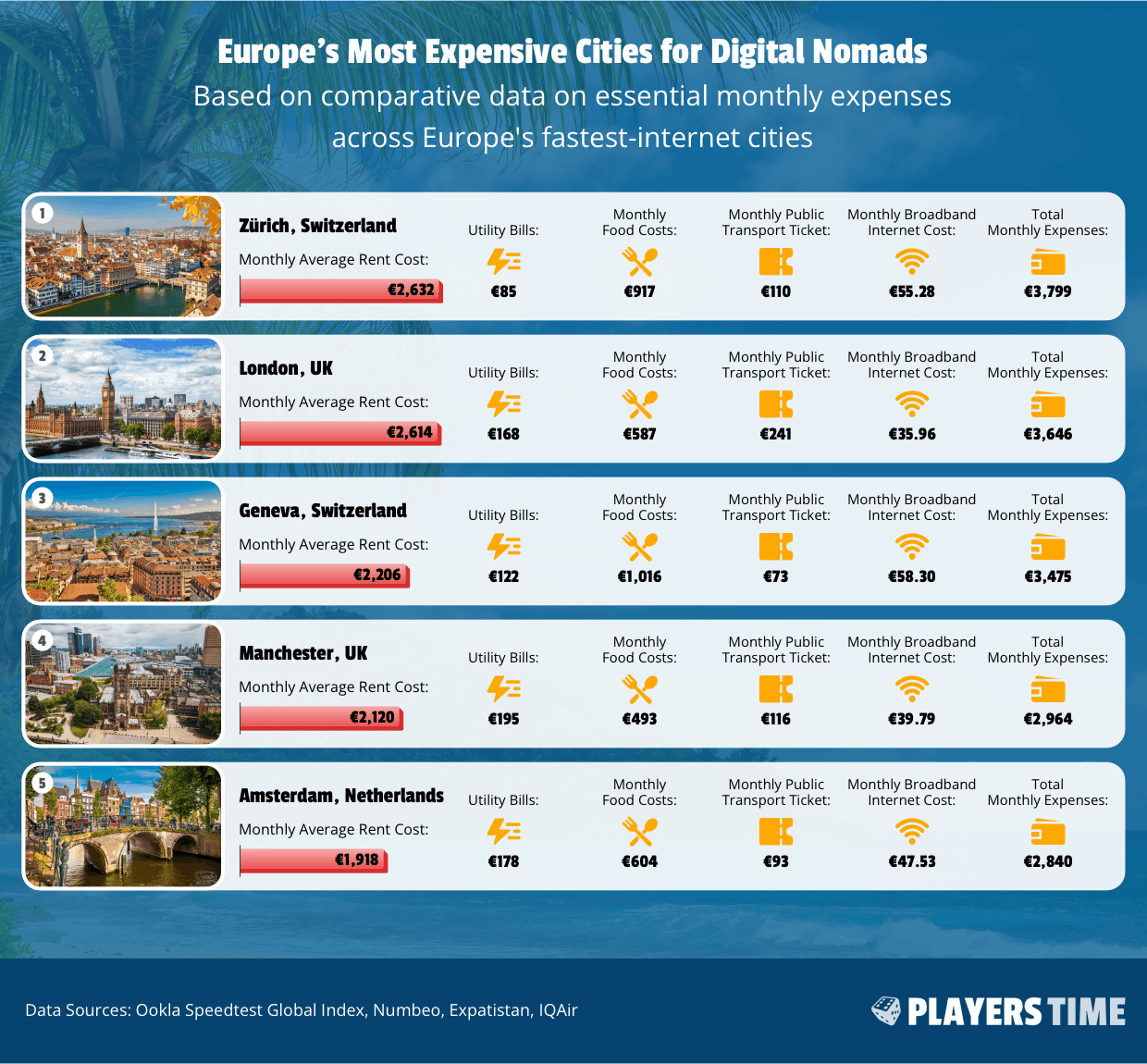
A digital nomad choosing Zürich and London over Constanța could face a monthly budget more than five times as high. In these cities, estimated basic expenses reach €3,799 and €3,646 a month, respectively, compared with just €695 in the Romanian seaside city. The UK capital’s biggest cost driver beyond rent is transport at €241 a month – its public transport ticket costs more than the entire monthly budget for utilities, transport, and broadband in Constanța. Housing is another major commitment, with average rent in London reaching €2,614. Zürich is even more expensive for accommodation, at €2,632 a month, making it the city with the highest rent in this group and across all cities in the ranking.
The figures also reveal different kinds of financial pressure across Europe’s premium destinations. Geneva’s monthly food costs are the highest of the five at €1,016, while the city also has the highest broadband bill at €58.30 per month.
Beyond Affordability: Four Dimensions of Urban Life in Europe
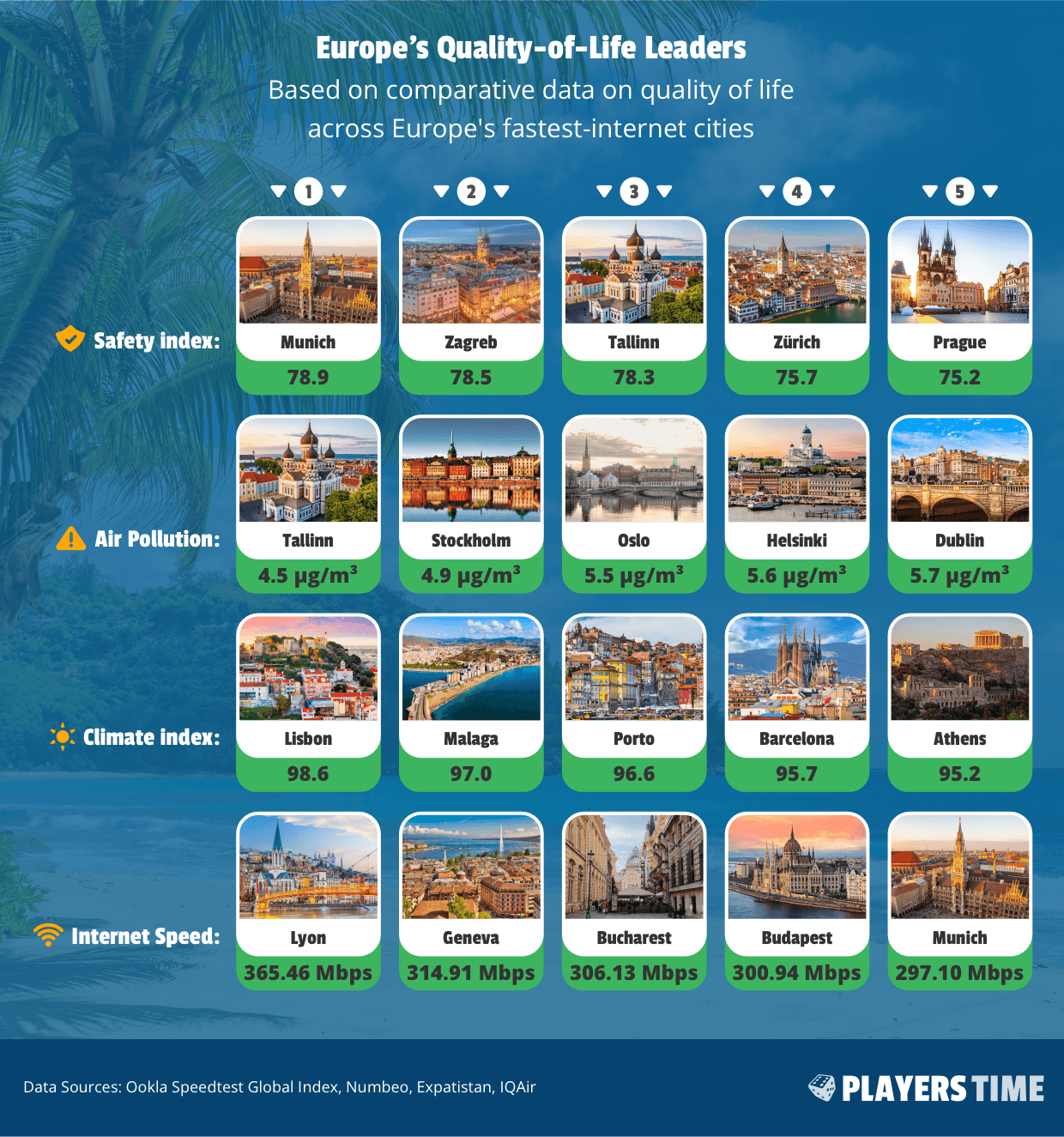
What makes a European city a great place to live and work depends on more than the cost of rent. Munich takes the top spot for safety with a score of 78.9/100 on Numbeo’s Safety Index. Moreover, it was named Germany’s safest large city in 2025, for the 50th year in a row. Zagreb and Tallinn follow closely, with scores of 78.5 and 78.3.
For digital nomads who prefer to spend time outdoors, year-round good weather is another important consideration. Lisbon leads the Climate Index with a score of 98.6/100, ahead of Málaga (97) and Porto (96.6). These scores reflect a combination of weather conditions rather than average temperatures alone, while Portugal’s roughly 3,000 annual sunshine hours help explain the appeal of its milder, brighter lifestyle.
Air quality and internet speed offer two more practical benchmarks for everyday life. Tallinn has the lowest annual fine-particle pollution level among the cities featured, at 4.5 µg/m³, below the World Health Organization’s recommended annual limit of 5 µg/m³. Stockholm has 4.9, while Oslo, Helsinki and Dublin record slightly higher levels, all remaining below the EU’s new 2030 annual limit of 10 µg/m³. For remote workers, Lyon leads on fixed broadband speed at 365.46 Mbps, nearly 2.8 times the global median of around 130 Mbps in September 2026. Geneva and Bucharest also exceed 300 Mbps, showing that fast connections are not limited to just one corner of Europe.
Europe’s Least Favourable Cities for Digital Nomads
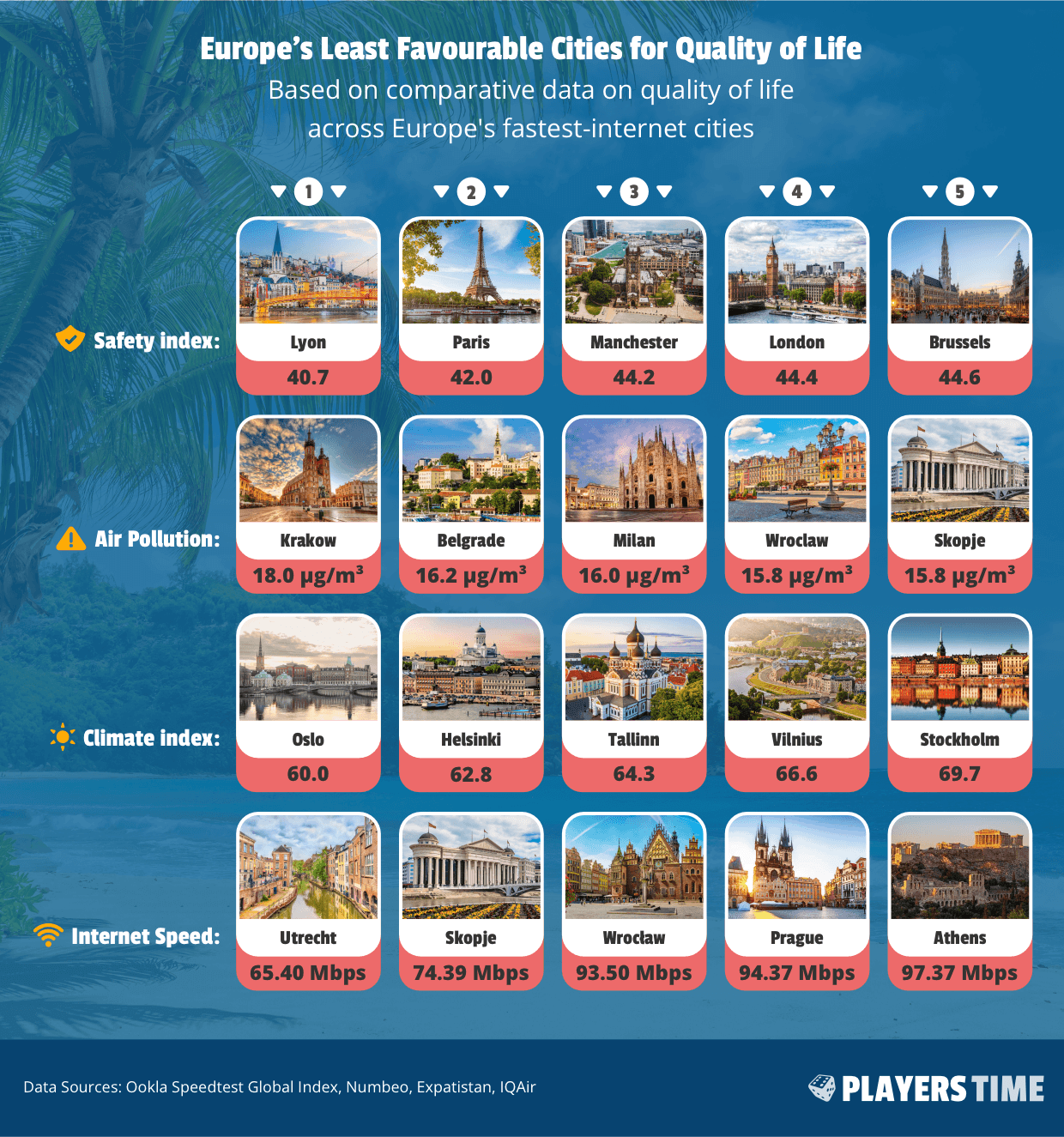
A city’s quality of life depends partly on how safe people feel going about their daily routines. Lyon and Paris rank among the cities with the lowest perceived safety in the ranking, which may affect how comfortable residents and visitors feel navigating busy streets and public transport. Lyon’s tourist office specifically warns visitors about pickpockets in the historic Old Town and on crowded public transport. However, the picture is not entirely negative: local authorities reported a decline in pickpocketing in 2026, suggesting that the situation can change over time.
Kraków, Belgrade, Milan, Wrocław and Skopje have the most polluted air among the cities in our report, with fine-particle pollution levels well above the World Health Organization’s recommended annual limit. The reasons vary by location, but the problem is not simply industrial emissions. In Kraków and other Polish cities, burning solid fuels for home heating has contributed to poor air quality, particularly during winter. Milan faces a different combination of challenges: its location in the heavily industrialised Po Valley, where surrounding mountains and weather conditions can trap pollutants, makes it harder for emissions from traffic, industry and heating to disperse. In Belgrade and Skopje, pollution is also linked to vehicle emissions, household heating and energy production, alongside industrial activity.
Climate and connectivity tell a different story. Oslo has the lowest Climate Index at 60/100, followed by Helsinki at 62.8 and Tallinn at 64.3. For those who prefer warm, sunny weather, these northern cities may be less attractive, although Oslo offers a distinctive trade-off: residents can head from the city to ski slopes, forest trails, and islands in the fjord. Internet speed is another area where the cities fall behind the leaders in our study. Utrecht records the slowest speed at 65.4 Mbps, compared with 365.46 Mbps in top-ranked Lyon, more than five times as fast. Utrecht’s connection can still handle many routine remote-work tasks, but the gap may matter to people regularly transferring large files or running several demanding applications at once.
Methodology:
To identify Europe’s elite remote work hubs for 2026, the team at Players Time built a data-driven index designed to look past social media filters and focus on real-world liveability. We started by filtering the continent for the 49 European cities with the fastest median fixed broadband internet speeds using data from the Ookla Speedtest Global Index, ensuring every destination could handle heavy-duty digital workflows. From there, we crunched localised numbers from Numbeo, Expatistan, and IQAir to grade each city out of 100.
To compare everyday food and dining expenses, we also created a standardised weekly basket using Expatistan data (representing average prices over the past year). The weekly basket mirrors a realistic remote worker lifestyle by blending essential supermarket groceries with social dining out, with amounts later multiplied by four to project estimate prices on a monthly basis:
- Basic lunchtime menu (including a drink) in the business district – 2 meals
- Combo meal in a fast-food restaurant (Big Mac meal or similar) – 2 meals
- Boneless chicken breast – 3 kg
- Local cheese – 1 kg
- Apples – 2 kg
- Potatoes – 2 kg
- Whole fat milk – 1 litre
- Large eggs – 1 dozen (12 eggs)
- Tomatoes – 1 kg
- Domestic beer (0.5l from the supermarket) – 1 bottle
- Red table wine (good quality) – 1 bottle
- Coca-Cola – 2 litres
- Fresh bread (weekly household allowance) – 2 loaves
This final Nomad Score directly weighs essential monthly expenses, combining rent, utilities, public transport, internet, and a realistic monthly food budget that includes regular dining out, against critical quality-of-life factors, including local safety levels, year-round climate comfort, and annual air pollution data.